
 Image 1 of 5
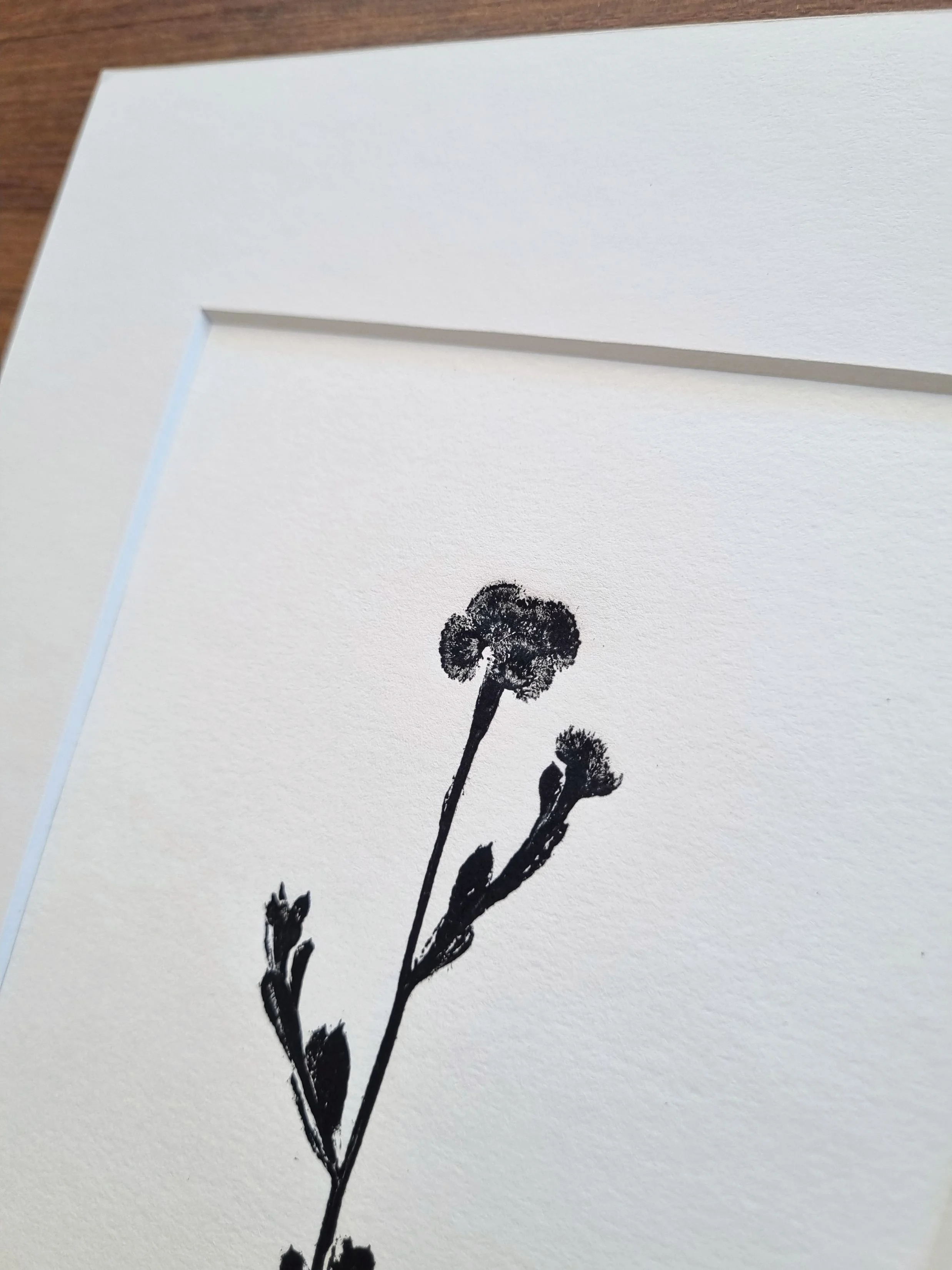 Image 2 of 5
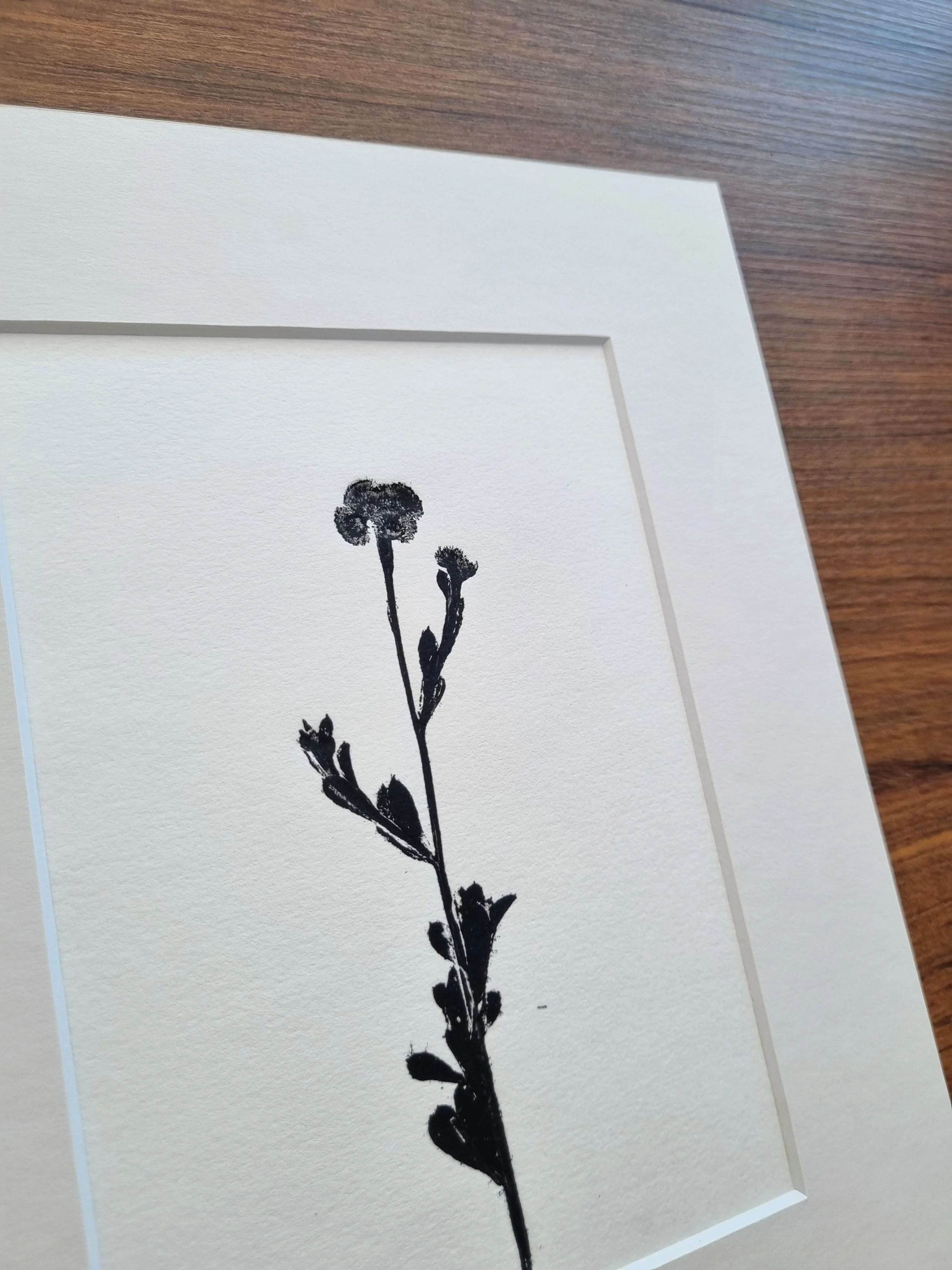 Image 3 of 5
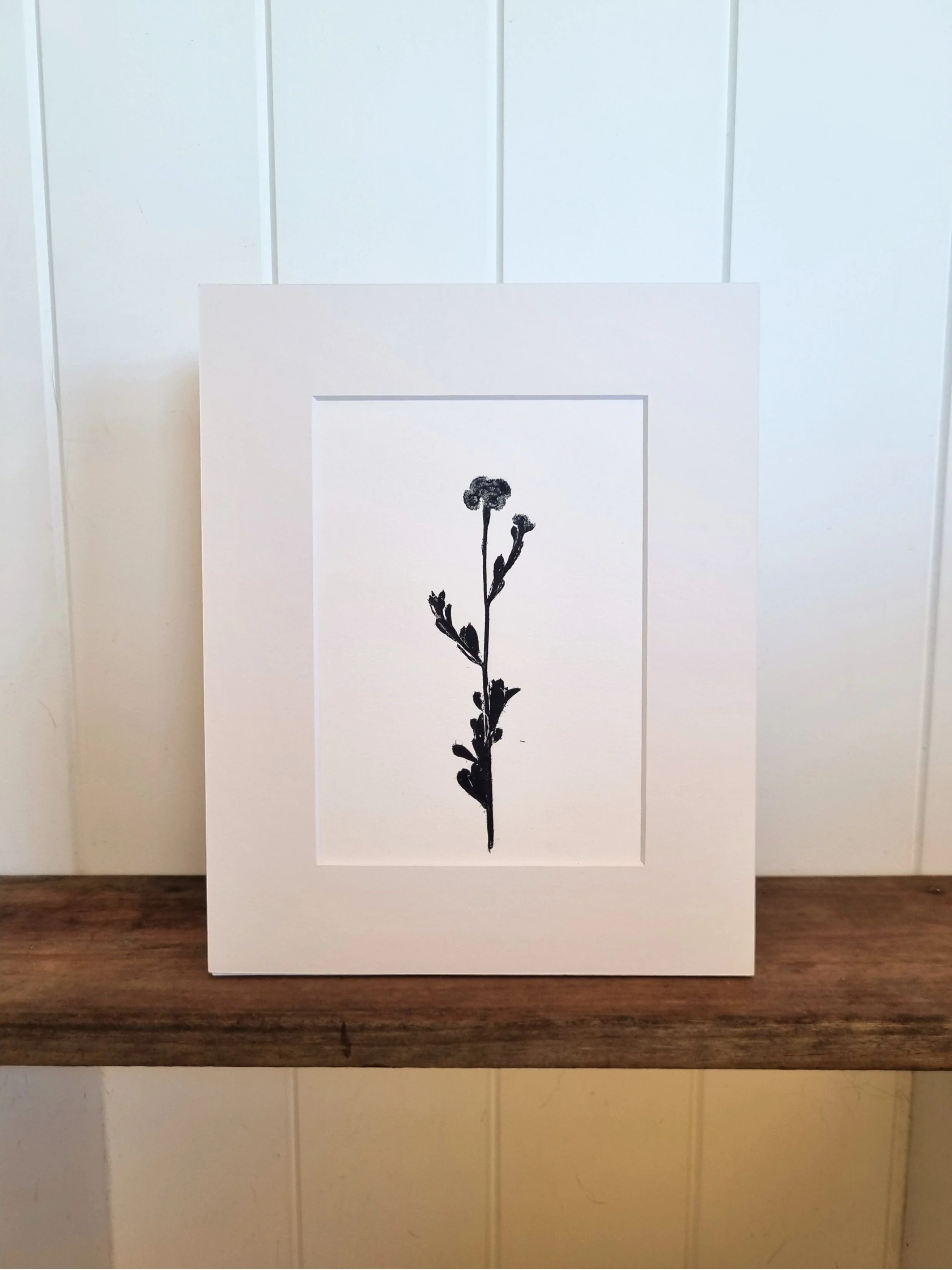 Image 4 of 5
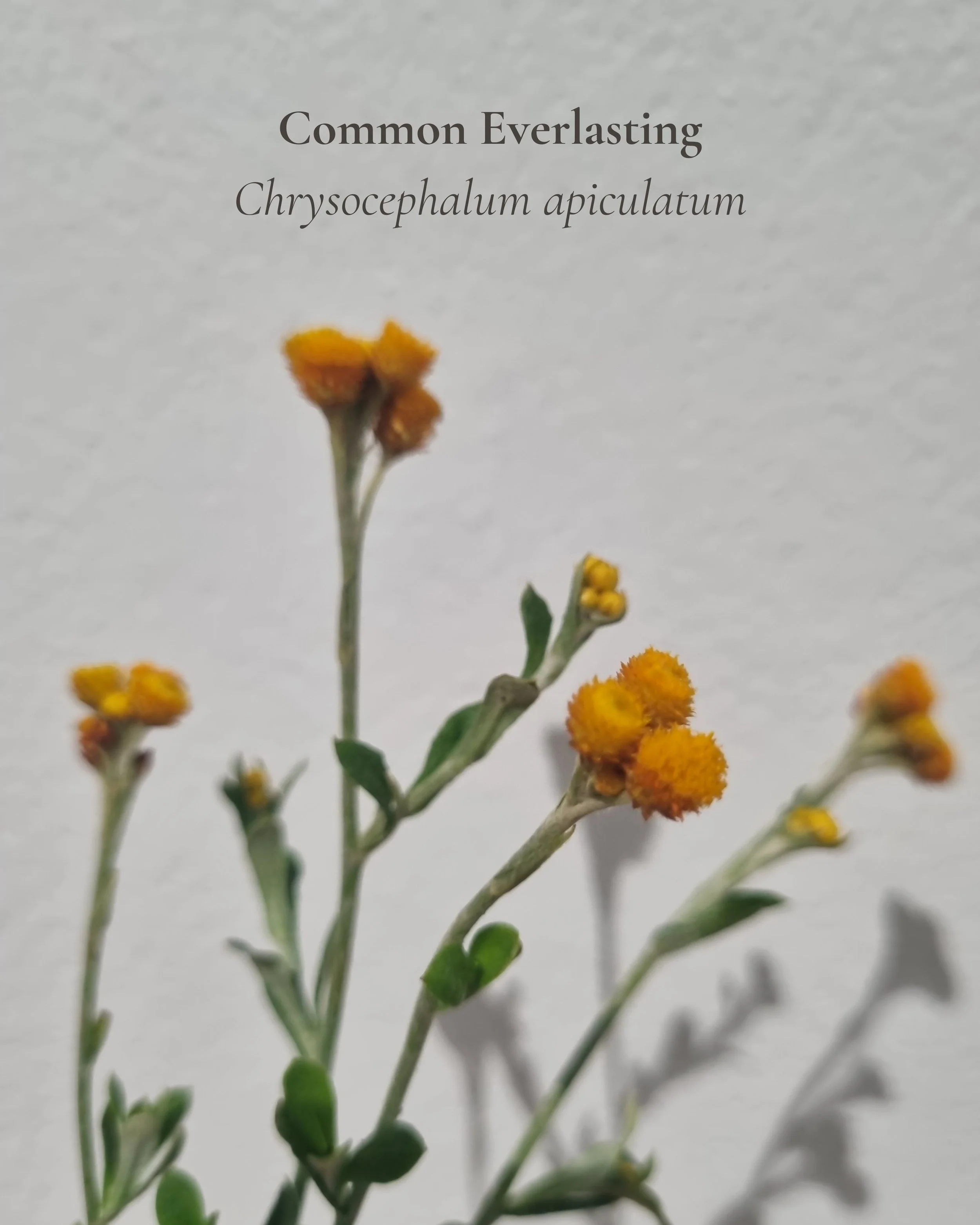 Image 5 of 5
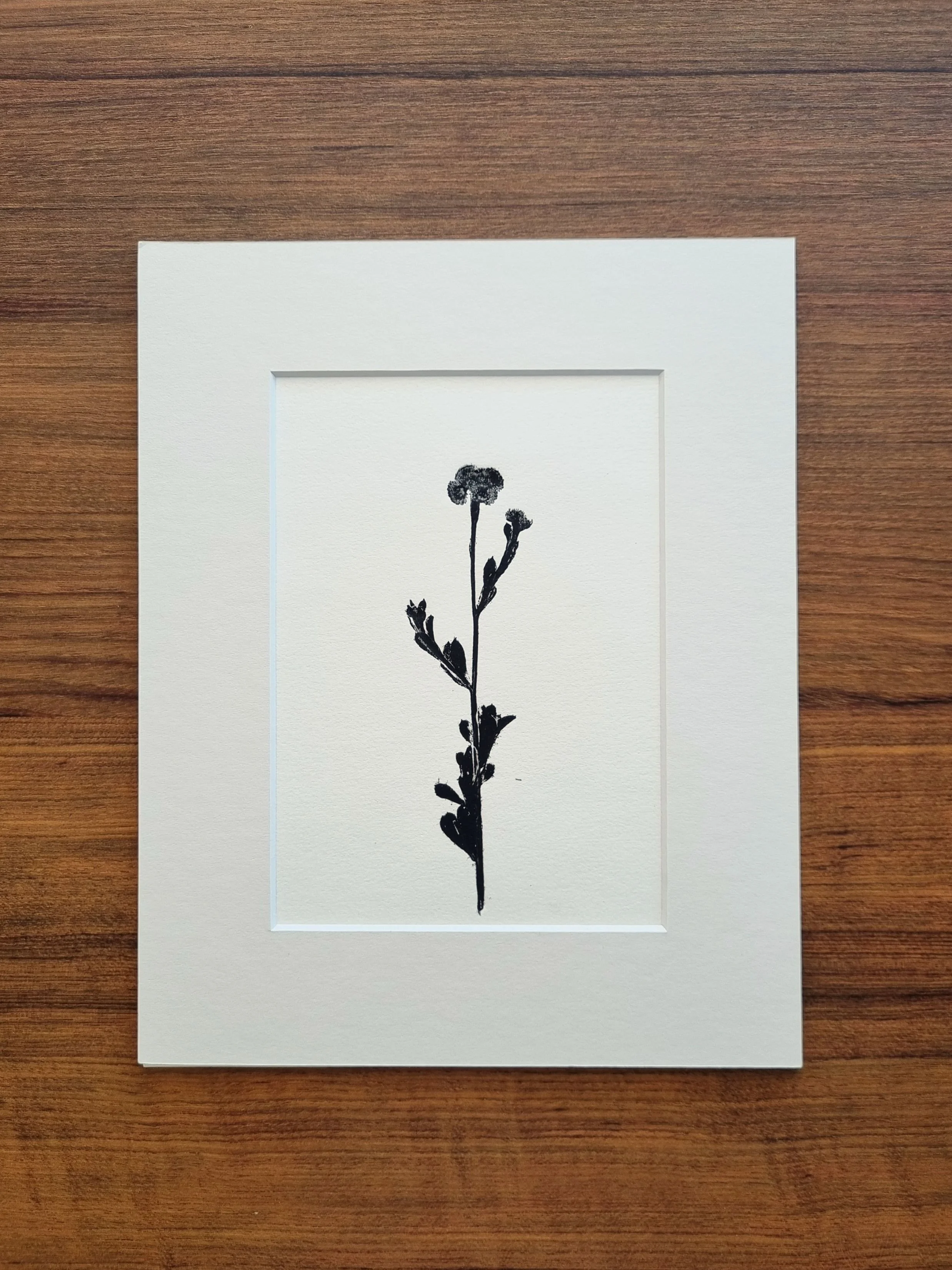
This original botanical monoprint features Common Everlasting (Chrysocephalum apiculatum), an Australian native wildflower found across grasslands and woodlands. Known for its small, clustered flower heads and silvery-grey foliage.
Printed as a single stem in black linseed oil–based ink, this positive print captures the structure of the flower heads and stem with clear definition.
This piece is part of a three-print series (single, two and three stems). Get in touch if you’d like the set, I’m happy to bundle them at a reduced price.
Details
Common Everlasting (Chrysocephalum apiculatum) - single stem
Positive print
Mount outer size: 203 × 254 mm (designed to fit a standard 10 × 8 inch frame)
Linseed oil–based printmaking ink — black
Fabriano Unica paper
Your piece comes mounted and in a protective sleeve, ready to be framed and carefully packaged for delivery.
Option for custom framing — just ask!
Botanical monoprinting uses real plants to create one-of-a-kind prints. Each piece reflects natural variation in the plant and printing process.
This original botanical monoprint features Common Everlasting (Chrysocephalum apiculatum), an Australian native wildflower found across grasslands and woodlands. Known for its small, clustered flower heads and silvery-grey foliage.
Printed as a single stem in black linseed oil–based ink, this positive print captures the structure of the flower heads and stem with clear definition.
This piece is part of a three-print series (single, two and three stems). Get in touch if you’d like the set, I’m happy to bundle them at a reduced price.
Details
Common Everlasting (Chrysocephalum apiculatum) - single stem
Positive print
Mount outer size: 203 × 254 mm (designed to fit a standard 10 × 8 inch frame)
Linseed oil–based printmaking ink — black
Fabriano Unica paper
Your piece comes mounted and in a protective sleeve, ready to be framed and carefully packaged for delivery.
Option for custom framing — just ask!
Botanical monoprinting uses real plants to create one-of-a-kind prints. Each piece reflects natural variation in the plant and printing process.